


October 27, 2025
The Craftsman Who Didn't Work for Money: What Moved His Heart?
When I was working with a fledgling apparel brand, I had an unforgettable encounter with a master bag craftsman. We approached him to manufacture our bags--but he flatly refused: "I don't take subcontracted work." That one sentence brought our plans to a halt.
What I want to share now is the story of how, after several persistent visits to his workshop, we encountered something far deeper than a simple business deal--a profound lesson that awaited us.
We Wanted Custom Leather Bags, But...

Our startup apparel brand had unique design ideas and a clear philosophy. The team was mainly in our 20s and 30s--young, inexperienced, and bold in our ambitions.
One day, to expand the brand, we reached out to a well-known bag craftsman in the industry. His works were highly regarded for their distinctive texture and quality. One of our designers was deeply enamored with his bags and was determined to work with him. However, this craftsman avoided commercialism and chose projects based on his own principles. He accepted only work for his own brand and custom orders, even turning down requests from famous brands.
We visited his workshop several times, but all we received were polite refusals:"I'm sorry." The discussions never progressed. As we were about to leave one day thinking, "No luck again today...," the craftsman suddenly spoke to me:"Oh, what's that...?" He had noticed a natural leather coin pouch peeking out of my bag.
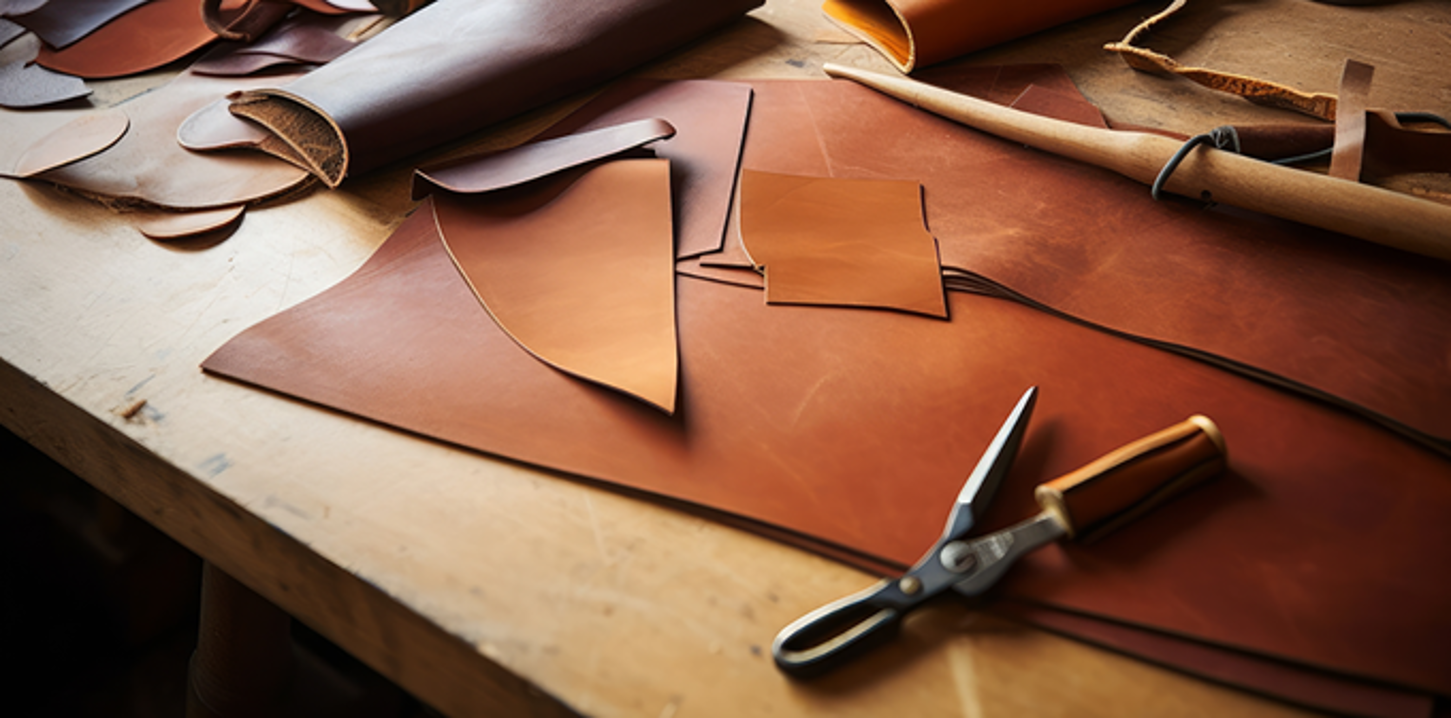
Image of Natural Vintable-Tanned Leather(Before Use)

Since it was something I cherished dearly, I felt happy and began to talk about that coin pouch.
I told him how I had wanted a leather item and saved up my part-time job earnings as a university student to buy it. At first, I didn't know anything about how to care for it and had to study a lot. I loved watching the pale beige leather, almost white at first, slowly change day by day, and I even took photos of it.
Now, the original color is unrecognizable, replaced by a deep, glossy amber tone. The soft, worn-in feel in my hand gives me a sense of comfort.
Why He Refused Subcontract Work
After quietly listening to my story, the craftsman explained why he refuses subcontract work.
To him, his creations were not mere products but part of his soul. He wanted to offer his skills only to those who truly valued his work. "Do you understand how much feeling I put into this? It's not about how much money I get, but about where this feeling goes."
What mattered most to him was how his work was treated and how much respect was given to its quality. Rather than selling many pieces, he wished to deliver them to people who genuinely understood and appreciated their value.
For him, craftsmanship was not just a job--it was a way of life. He pursued perfection down to every detail, reflecting "himself" in each piece.
"You can't sell a way of life for money."
It was a moment that made everyone present catch their breath. "Vegetable-tanned leather is pretty difficult, you know. You've aged this nicely." He said this as he gently returned the coin pouch I had shown to him.
Staying True to One's Craft
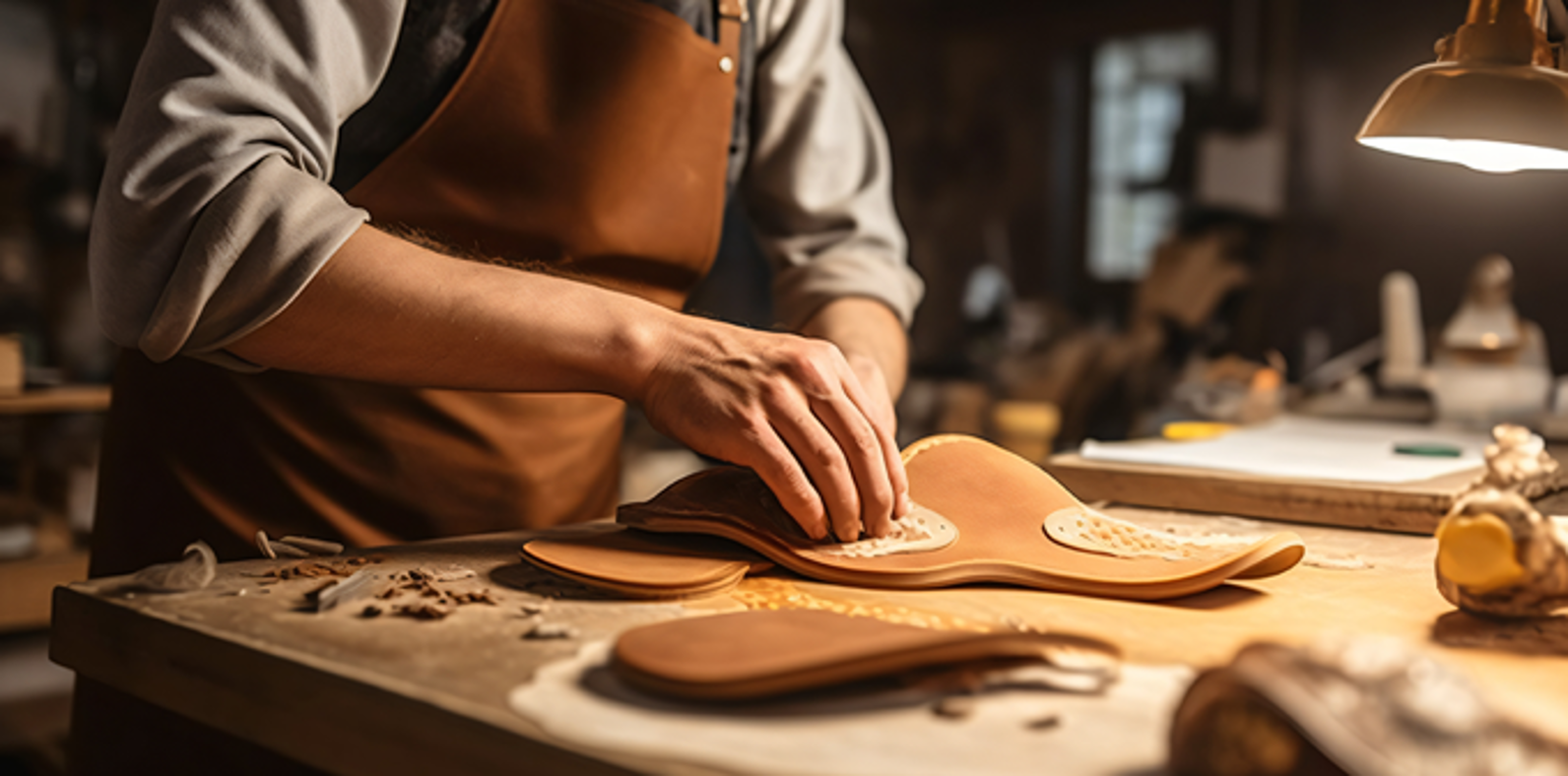
His philosophy had a profound impact on us, who were still young. His decisions were always based on his own beliefs. He prioritized truthfulness and honesty toward his work over pursuing commercial success.
This approach to craftsmanship became a guiding principle for us in our daily work. We learned the importance of staying true to one's beliefs, just like him, and resolved to put that into practice ourselves. While pursuing commercial success is important, even more vital is having pride in one's creations and actions.
We constantly discussed why we wanted to continue this brand and what aspects of ourselves we wanted to express. We realized that pouring passion and dedication into our work is impossible without starting from a deep understanding of its true value and meaning.
In other words, we came to understand the harsh truth that a business cannot succeed unless it goes beyond mere commerce and truly reflects our philosophy and mission.
Choosing Where to Hand Over the Important Work
In marketing, it's often said that "the target audience is important." Only by providing benefits to the target, you can earn the rewards in return for those benefits.
This is the fundamental idea behind building effective marketing strategies by tailoring products or services to specific customer segments. Classical marketing theories, developed mainly in the U.S., have been influenced by military strategy in terms of strategic thinking and terminology. The concept of "target" is one such example.
In military terms, a target is the object of an attack. In marketing, it refers to the group of people that marketers aim to convert into customers through their activities. To put it bluntly, setting a target means deciding "who to sell to." We stopped setting targets.
When we create something, there is deep thought and philosophy behind it. We want to connect with people who truly value that. Relationships based on mutual understanding and empathy are far richer. Such connections motivate better creation and ultimately generate benefits.
Our brand, infused with life and spirit, isn't flashy but has started to live and grow slowly. Even now, it exists deeply rooted in the lives of those who understand and appreciate it.
In Closing
I'd rather entrust my important work to people who understand its value, rather than to those who just complain. I believe many would agree with that sentiment. At the same time, I strive daily to become someone who can appreciate others' work in depth. Understanding the thoughts and intentions behind someone's work is, I believe, the path to true professionalism.
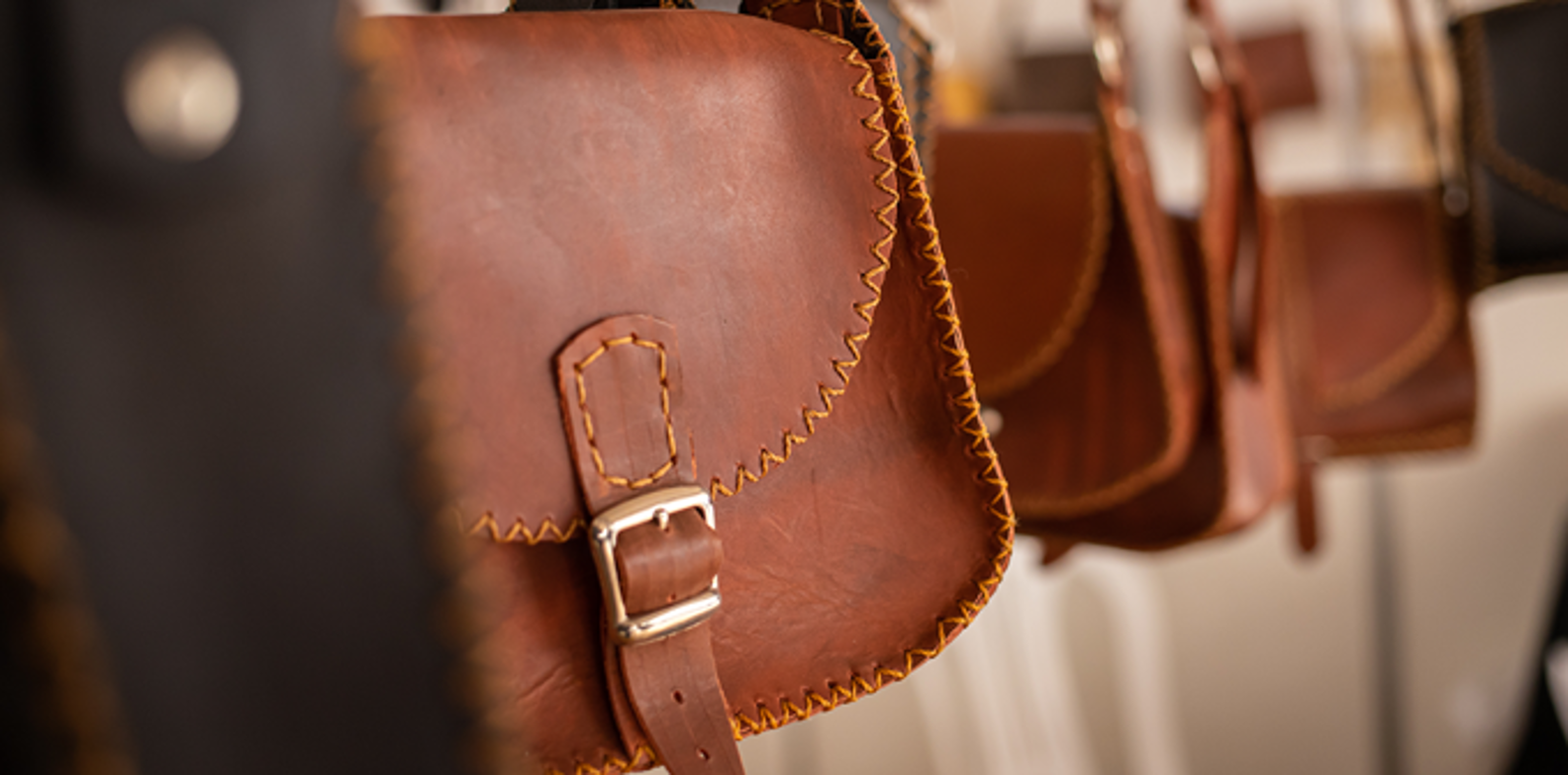
Years later, we did eventually partner with that craftsman--though in a way different from what we had originally imagined. That collaboration deeply moved all of us. When the one-and-only bag he made for us was finished, it felt like a crystallization of trust and mutual understanding.
What do we create through craftsmanship? Not just items--but a tangible manifestation of philosophy, passion, and respect between people. In a world filled with new technology, it's worth returning to the lessons we learned from the craftsman--and moving forward to create with integrity and belief.

Tsumugi Mishima
Works in marketing and organizational development at a startup. Also active as a writer, drawing on her experiences in product development and brand launches.