


November 10, 2025
Managers Who Enforce Rules Are Often Disliked... --But They're Essential for Safety and Preventing Misconduct
Why the "Unpopular" Role of the Manager Truly Matters
Being a manager is often a thankless role.
Think back to being scolded by a teacher for having hair that was "too long at the back," or a neighbor nitpicking that you returned the community newsletter a little late--didn't you think, "Ugh, what's the big deal?"
Managers check whether people are following the rules and ensure that those who aren't, do. It may seem like they're just pointing out others' faults--and that often earns them resentment.
Still, managers are absolutely necessary to prevent misconduct and accidents.

H-Senpai Was Hated for Harshly Scolding a Junior
Back in high school, I was in the archery club. A few years older, H-senpai was an alumnus who still practiced archery at university and occasionally dropped by our practices under the guise of "guidance." Which was fine--really. But I didn't particularly like him.
He was incredibly strict.
He'd suddenly appear and bark things like,
"Who left their equipment out?"
"Speak louder!"
"Be more aware of your surroundings!"
Even as we greeted him cheerfully, we'd think, "Ugh, not him again..."
One day, a club member, A, had finished retrieving arrows from the targets and gave the all-clear signal--meaning "the field is clear, you can resume shooting."
But another member was still downrange, trying to remove an arrow that had landed well short of the target.
H-senpai immediately noticed and yelled:
"Someone's still on the range! Look properly before signaling--don't mess around!"
A quickly canceled the signal and apologized, but was harshly scolded by H-senpai and ended up crying.
Later in the clubroom, we consoled A:
"Sure, A messed up, but H-senpai was way too harsh. Just be more careful next time."
"Yeah, anyone can make a mistake. Don't worry about it."
"Let's go to McDonald's and chill."
"Great idea!"
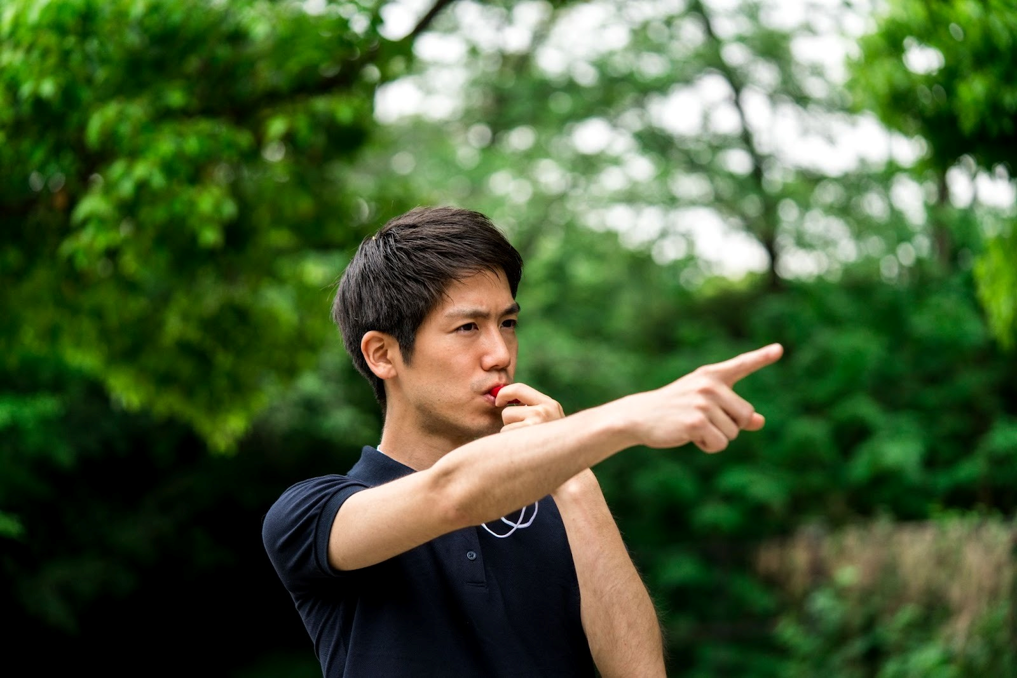
The Unpopular Role Taken for the Sake of Safety
At the time, we thought, "Okay, it was dangerous, but no one would have started shooting if someone was still down there. He didn't have to go that far--A didn't deserve that." After all, we usually did things properly. This was just a one-time mistake. No accidents had ever happened, so why such a big reaction? Naturally, our opinion of H-senpai got even worse.
But looking back now, I realize he was trying to teach us just how dangerous that situation was.
Kyudo (Japanese archery) can lead to serious accidents from even minor lapses in focus.
No matter how modern the equipment, bows and arrows are fundamentally weapons--historically used for hunting and war. Proper equipment handling, clear communication, and being aware of others' safety are crucial. We didn't really grasp that, and H-senpai saw it.
"Do you understand how dangerous that was?"--that's what he was trying to get across.
Sure, there may have been a gentler way to say it. But his harsh words had an impact. From that day on, everyone made extra sure the range was clear before signaling. He took on the thankless task of enforcing the rules--for our safety.
Why Managers Often Seem Like the Enemy
People who monitor and enforce rules tend to be disliked. They point out others' mistakes and tell them to correct them--and of course, no one likes being told they're wrong. Even with the kindest delivery, someone will take it the wrong way. Even with good intentions, the message may not get through. It's a role that often comes with no gratitude.
There are countless YouTube videos where people mock or harass police officers just for doing routine checks. These officers are risking themselves to prevent crime and protect the public, yet not everyone sees their value.
In the drama Hanzawa Naoki (A banker, Hanzawa Naoki, fights corruption with bold revenge tactics), regulators like the National Tax Agency or Financial Services Agency are portrayed as villains--even though they're simply doing their jobs, like investigating tax fraud or requesting documents. (though not always perfectly righteous).
Why?
Because many people see "rules" as a restriction of freedom--and anyone enforcing those rules becomes an enemy. Even a valid correction can feel like a personal attack, or nitpicking. But let me say this loudly and clearly.
"Rules function precisely because there are people who enforce them."
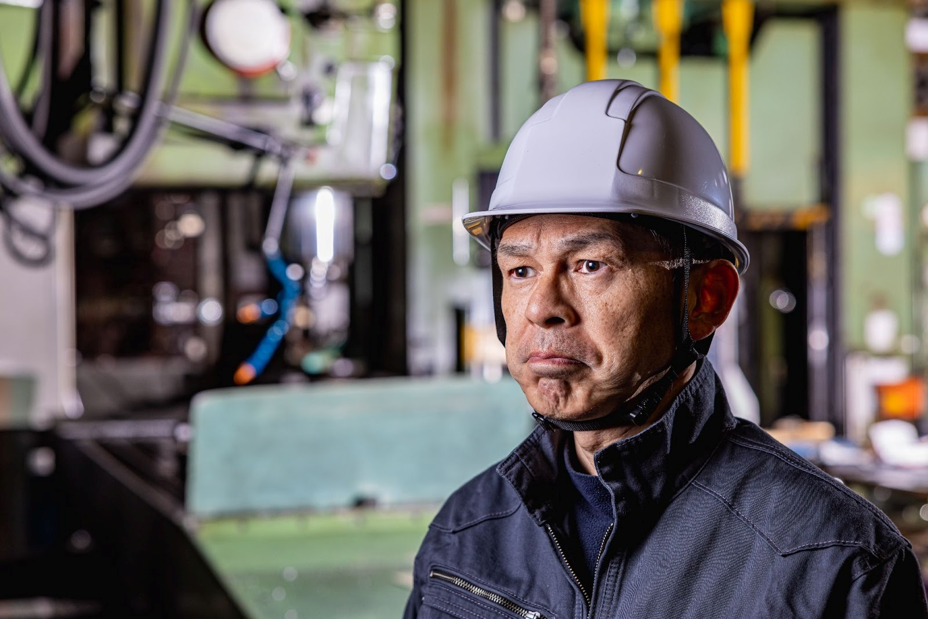
No Managers = No Rules = Unsafe
What if there were no managers?
If no one corrected rule-breakers, the rules would become meaningless, and eventually no one would follow them. People would skip wearing helmets, ignore stop signs, or work in ways that deviate from manuals... -- That's terrifying! It would inevitably lead to frequent serious accidents.
Of course, this isn't limited to safety issues.
There are store managers who make part-timers buy leftover sushi rolls, and HR staff who sideline employees who take parental leave. People who break rules to serve their own convenience and violate others' rights exist everywhere. If such a no-rule society were allowed, no one could live with peace of mind. Rules are necessary to live safely and securely.
But rules alone are not enough--they only matter when there is an environment that ensures they are followed. That environment is created by "managers." However, the work of managers is often misunderstood. Even when they enforce rules and prevent accidents, if no one notices that a dangerous situation was averted, managers receive no thanks. Sometimes, they are seen as "naggers." Just like how we found H-senpai annoying.
Conversely, if managers prevent many accidents, it means there are many potential rule violations or gaps in the rules, which is not something to celebrate. In other words, managers play the thankless role of "making others follow rules" and are in the awkward position where it's better not to have obvious successes. That's tough.

Managers Are Essential for Safety and Peace of Mind
When accidents or incidents happen, managers are blamed with, "Why wasn't this properly managed?" When they enforce rules, they're often met with complaints like, "You're so annoying about every little thing."
Being a manager is truly a thankless role.
But properly understanding the rules, paying close attention to others' behavior, and ensuring compliance isn't something just anyone can do. It requires a strong sense of mission to protect safety and peace of mind, and a sense of responsibility to carry out the role no matter how others may feel about it.
Honestly, those on the receiving end might think, "You're so annoying about every little thing." But having someone who checks every little detail and insists on strict rule compliance is something we should be grateful for. Because thanks to such people, many frauds and accidents are prevented.
Shion Amemiya
Freelance writer based in Germany. Contributes to Yahoo! News, Toyo Keizai Online, Gendai Business, HuffPost Japan, and more. Author of “Japanese and Germans: Comparing the Two Shows They're Both the Same After All” (Shincho Shinsho).