


October 14, 2025
Will Robots Take Over Craftsmanship?
No--A Bright Future Awaits Craftsmanship
Is the Future Bright for Craftspeople?
As Mechanization Advances, the Value of Being "Human" Increases.
"The progress of technology will take away craftsmen's jobs and replace them with machines."
This has been said for decades. Indeed, in many factories and offices, automation has increased, and the number of tasks that no longer require human involvement continues to grow. With craftsmen aging and concerns about a shortage of successors growing, many people worry about the future of craftsmen.
But I believe that craftspeople actually have a surprisingly bright future ahead. That's because people with skills have value simply by being who they are.

Do We Still Need Sommeliers in the Age of AI?
The other day, my husband and I went to a local café and were enjoying waffles drenched in chocolate sauce. Somehow, we ended up talking about sommeliers.
My husband said, "Sommeliers aren't necessary anymore. You can just Google anything. Memorizing hundreds of wines is pointless. AI can analyze data and recommend the best wine far more accurately."
He's not entirely wrong. If you type "dry Italian red wine that pairs well with beef stew" into a search engine, you'll instantly get a list of suitable options. Even someone who knows nothing about wine can find a decent choice that way. Compared to the time and money it takes for a human to acquire deep knowledge, an AI with access to thousands--or even millions--of data points can do it more accurately--and more easily.
From that point of view, indeed, the job of a sommelier might seem unnecessary. But are sommeliers only there to pick wine? I responded to my husband, "It's not just about picking the wine. Don't you think people enjoy the experience of having a sommelier choose the wine for them? Especially on special occasions like an anniversary dinner at a fancy restaurant, wouldn't you rather talk to an expert than rely on a Google search?"
Sure, some people care deeply about which wine they drink. But for many others, the experience of how the wine is chosen matters just as much. Take someone like me --I can't tell the difference between most wines, but I still enjoy the feeling of luxury that comes from interacting with a professional. For those like me, the specific wine isn't the main point. What matters is the experience of having a professional sommelier select something just for you.
So, no matter how advanced AI becomes at selecting wines, I think I would still prefer to have a sommelier pick my wine.

When People Want Services From People
There are actually many situations where the human touch itself holds value.
Take a hotel concierge, for instance. Ask, "What's the fastest way to Tokyo Station--train or taxi?" and the concierge might respond,"This time of day, the roads are usually congested, so the train is faster. It's a bit of a walk to the nearest station, but the subway takes you directly there."
Sure, you could probably figure that out by searching online. But receiving expert advice from a knowledgeable concierge makes your hotel stay feel more special. That's why high-end hotels always choose excellent people to work as concierges. No matter how advanced AI gets, I can't imagine a future where a robot stands in the lobby of the Imperial Hotel saying, "Ask me anything!" That wouldn't feel luxurious or memorable.
The same goes for the cosmetics floor at Takashimaya in Yokohama. It's always crowded with women chatting and having fun while trying makeup applied by skilled beauty consultants. There are apps that suggest the perfect foundation based on a few questions or even a photo. But the fun comes from speaking directly with a professional who does make up for dozens of clients every day. Receiving service from a person is meaningful precisely because a person is doing it. That human connection adds irreplaceable value.

Handmade Items Hold Unique Value
And this value isn't limited to personal services. We all have experiences where an object feels special because of the person who made it.
On my first trip to Hokkaido, I visited Ainu Kotan (Kotan means "village" or "settlement" in the Ainu language.) near Lake Akan with my parents. There was a small shop selling carved wooden keychains, each carved with a different traditional Ainu pattern. Each pattern represented meanings like "courage" or "happiness," and all were handmade by the shop owner, a person of Ainu heritage.
To be honest, the carving wasn't particularly refined, nor were the patterns especially beautiful. If the keychains had been machine-made, I wouldn't have looked twice. I wanted one because it was hand-carved by an Ainu person using traditional motifs.
The same is true at a high-end pastry shop in Tokyo with a glass-walled kitchen. You can watch the pastry chefs carefully pipe whipped cream and delicately place chocolate decorations with tweezers. Seeing that, I think, "It's amazing that people do such intricate work," or "That cream spreading technique is truly professional." Then, when I look at the showcase, all the cakes somehow seem even more delicious. If all those cakes were made automatically by a giant home bakery machine, I wouldn't feel the same way.
The fact that "people do it" alone creates great value.
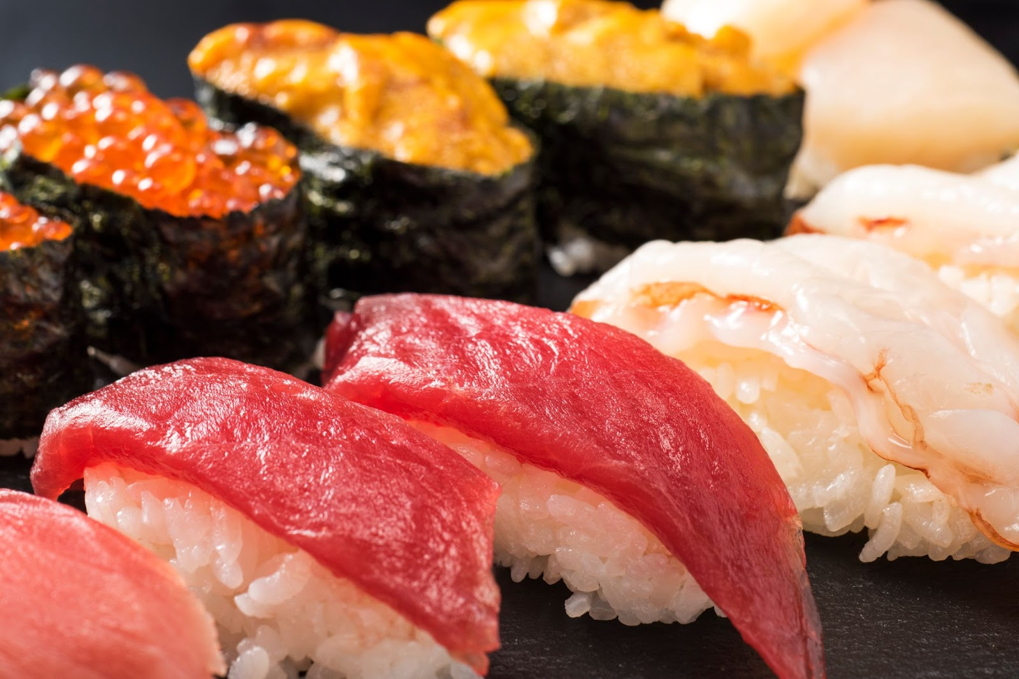
When a Popular Sushi Restaurant Lost Its Charm
On the other hand, there are cases where undervaluing the value of "people doing the work" leads to failure.
There was a once-popular conveyor belt sushi restaurant near my parents' home. Though a bit pricey, it was famous locally for serving fresh fish and often had long lines--even on weekdays. On weekends, waiting for about an hour was common.
When I was a kid, sushi chefs would stand behind the counter, take orders directly, and hand the sushi to you with a cheerful shout: "Salmon, coming right up!" "Horse mackerel coming in!" But now, perhaps due to cost-cutting, everything has changed.
The restaurant uses tablet ordering systems and private booths, and the chefs are nowhere in sight. Maybe they're still in the kitchen, but they're no longer part of the customer experience. The crowds are gone, and the place now feels like just another average (and somewhat expensive) conveyor belt sushi spot.
That's when I realized something important: People didn't come just for fresh fish--they came for the experience of getting high-quality sushi made by skilled chefs at a reasonable price.
If machines are making the sushi, you may as well go somewhere cheaper. But if you're paying a bit more, you want a professional's touch--you want to see and feel that it's been made by human hands. The presence of the sushi chef behind the counter was part of the restaurant's value. No matter how advanced technology becomes, the desire for human connection and craftsmanship runs deep.

The Increasing Value of Being Human
Why do we place such value on services done by people? It's simple: experiencing another person's knowledge or skill feels like a luxury.
Having a sommelier personally recommends wine.
Getting your makeup done by a beauty expert who serves dozens of customers daily.
Buying a hand-carved Ainu keychain.
Savoring a dessert crafted by a renowned pastry chef.
When someone shares the skills and knowledge, they've spent years mastering--and uses them for you, it feels special.
This desire for human service and connection won't disappear, no matter how far AI advances. In fact, as automation becomes more widespread, truly human experiences will become rarer--and therefore, more valuable. Even now, when machines can make sushi from start to finish, many still say, "Let's treat ourselves to a special night at a traditional sushi bar with a chef's choice menu." That kind of indulgence is here to stay.
Craftspeople don't need to compete with AI or machines on speed or technical precision.
Sommeliers don't need to outmatch AI in wine knowledge. Sushi chefs don't need to race machines in speed. They can't win, nor do they need to.
Instead, they should embrace the value of being human --for example, by saying:
"Our Italian-trained sommelier will help you choose the perfect wine," or "Watch as our experienced chef fillets the fish and prepares your sushi right in front of you."
As long as machines can't become human, people will continue to seek out the human touch. Because being human is a value in itself, craftsmen will never be completely replaced by AI or machines. So perhaps the future really is bright for craftspeople after all.
Shion Amemiya
Freelance writer based in Germany. Contributor to Yahoo! News Japan, Toyo Keizai Online, Gendai Business, and HuffPost Japan. Author of “Japanese and Germans: Not So Different After All” (Shinchosha Publishing).